Blog
Women’s Wellness Travel Trends in Southern California Hot Springs
Women are driving some of the most meaningful shifts in wellness travel right now, and Southern California’s hot springs are very much part of that story.
Women’s Wellness Travel Trends in Southern California Hot Springs
Women are driving some of the most meaningful shifts in wellness travel right now, and Southern California’s hot springs are very much part of that story.
Instead of planning one big, once-a-year vacation, many women are choosing restorative getaways that actually fit into real life. According to the women’s wellness retreat market analysis, wellness travel is growing faster than overall tourism, with women increasingly prioritizing experiences that help them feel better, not just briefly relaxed, before heading back into their day-to-day routines [1].
For many travelers, that shift shows up as fewer single-day spa visits and more overnight “soak and stay” escapes. The goal isn’t indulgence for indulgence’s sake; it’s deeper rest, better sleep, and a genuine reset that lasts beyond checkout.
Why Women’s Wellness Travel Is Surging
Wellness travel has been gaining momentum for years, but it’s accelerating as more people, especially women, put health, emotional well-being, and stress management at the center of their travel decisions.
Recent solo female travel statistics show women actively seeking experiences that support sleep, reduce stress, and build mental resilience [2]. These priorities influence everything from where trips are planned to which services get booked once guests arrive.
What’s especially notable is how loyalty has shifted. Rather than constantly chasing something new, many women return to destinations where they know how they’ll feel when they leave – rested, grounded, and more like themselves again. This pattern aligns with wellness tourism research showing that positive, restorative experiences are strongly linked to a guest’s intention to revisit the same destination [3].
How Women Are Traveling for Wellness
Industry research from the women’s wellness retreat market points to a few consistent patterns shaping how women approach wellness travel today [1].
Table 1: How Women Are Structuring Wellness Travel
| Travel Pattern | What Women Prefer | Why It Feels Right |
|---|---|---|
| Short, frequent stays | 2–3 night retreats | A full reset without taking a full week off |
| Drive-to destinations | Regional, car-accessible resorts | Less friction, less planning, more ease |
| Solo & small groups | Independent or women-only trips | Comfort, safety, and space to recharge |
| Outcome-focused travel | Returning to places that “work” | Confidence in how the experience will feel |
Women are far more likely to return to destinations where they experience real benefits like better sleep, lower stress, and a sense of calm that carries into daily life rather than constantly seeking something new, a trend reinforced by wellness retreat market research [1].
What Female Wellness Travelers Want On-Site
When choosing a wellness destination, women tend to look for places that support both physical restoration and mental well-being without feeling extreme, rigid, or intimidating.
Based on solo female travel research, high-value experiences often include [2]:
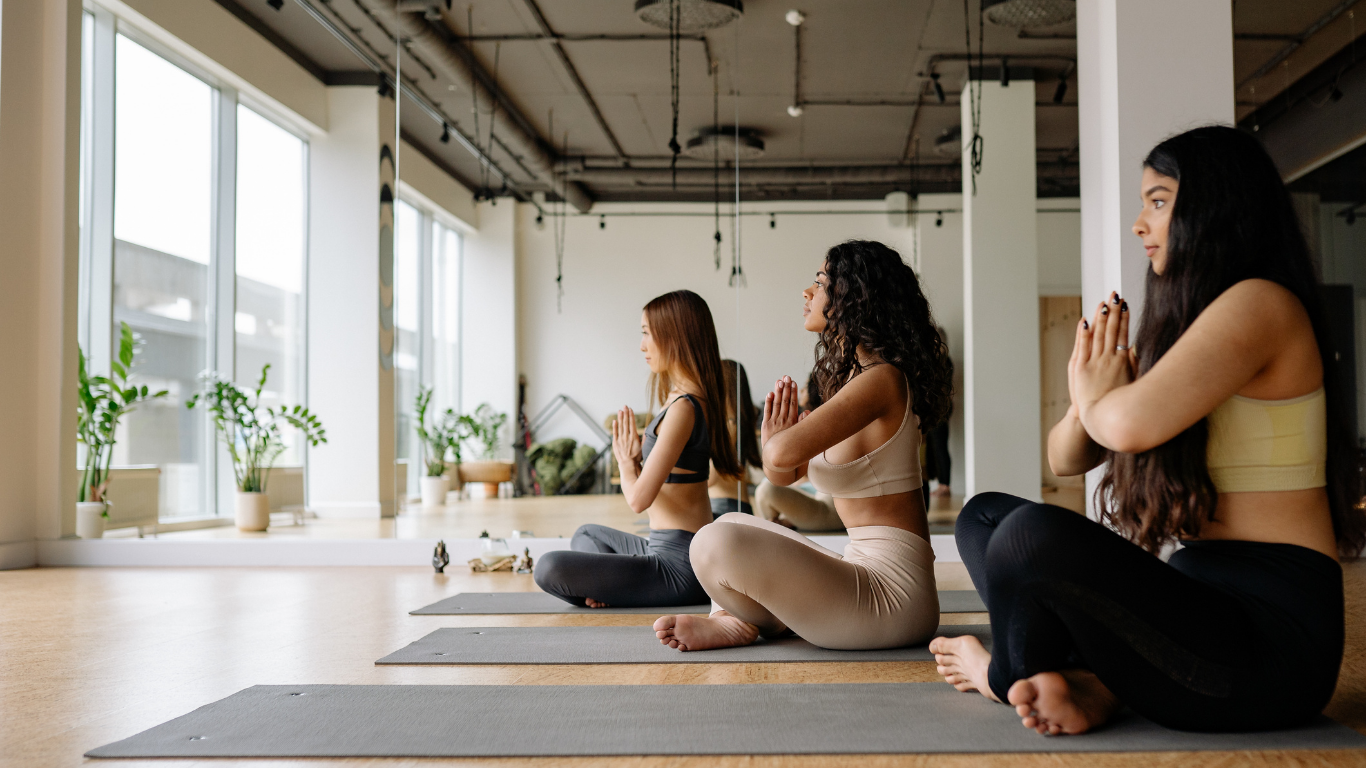
• Mindful movement and low-impact fitness that feels regulating and supportive, rather than intense or performance-driven, as highlighted in coverage of wellness stays that prioritize mental health [4]
• Guided hydrothermal and contrast-therapy experiences that make hot-cold immersion feel safe, approachable, and intentional, as outlined in the spa and hydrotherapy experience
• Meditation, breathwork, and mindfulness programming designed to ease chronic stress and mental overload, helping guests downshift and fully relax
• On-site dining options designed to feel nourishing, balanced, and enjoyable, with menus that support wellness without rigid rules, as reflected in Murrieta Hot Springs’ dining experiences
• Therapeutic spa and bodywork services focused on circulation, recovery, and inflammation support rather than cosmetic outcomes, reflecting the role of mineral-rich healing waters
Thermal and hydrotherapy-based experiences are an especially natural fit for women’s wellness priorities, supporting relaxation and recovery in a way that feels intuitive rather than prescriptive.
Spending Patterns and Loyalty Drivers
Women who prioritize wellness often think about travel a little differently. Instead of packing trips with activities or chasing the latest destination, many choose fewer getaways that feel genuinely restorative and support how they want to feel during the stay and after they return home.
According to the Global Wellness Institute’s wellness tourism research, wellness travelers tend to spend more per trip than the average leisure traveler, reflecting a willingness to invest in experiences that support long-term well-being rather than quick escape [5].
For many women, that investment shows up as weekend-length retreats, overnight stays, and destinations that feel easy to return to. McKinsey’s Future of Wellness research also points to growing demand for experiences that support sleep, stress reduction, and emotional resilience [6] – benefits that naturally deepen over multiple days, not a single afternoon.
Table 2: What This Looks Like for Women Wellness Travelers
| What Women Tend to Value | How It Shows Up in Travel Choices |
|---|---|
| Time-efficient escapes | Weekend and short multi-day stays |
| Comfort and trust | Established destinations with strong reputations |
| Feeling better, not just relaxed | Focus on sleep, stress relief, and recovery |
| Familiarity | Returning to places that consistently deliver |
Over time, this kind of travel becomes less about a special occasion and more about a personal rhythm. Familiar destinations reduce decision fatigue and allow the focus to stay on rest, recovery, and actually enjoying the experience.
In that sense, loyalty isn’t driven by luxury alone. It’s built through ease, credibility, and the confidence that the experience will deliver the kind of reset women are genuinely seeking.
How Murrieta Hot Springs Aligns With These Trends
Murrieta Hot Springs reflects many of the patterns shaping women’s wellness travel today, especially the shift toward short, restorative escapes that deliver meaningful results.
Set in the Temecula Valley between Los Angeles and San Diego, Murrieta offers easy drive-market access for women looking for a weekend reset without the hassle of air travel, an advantage frequently noted in its recognition as the #2 Best Spa Resort in the US by USA TODAY 10Best 2025.
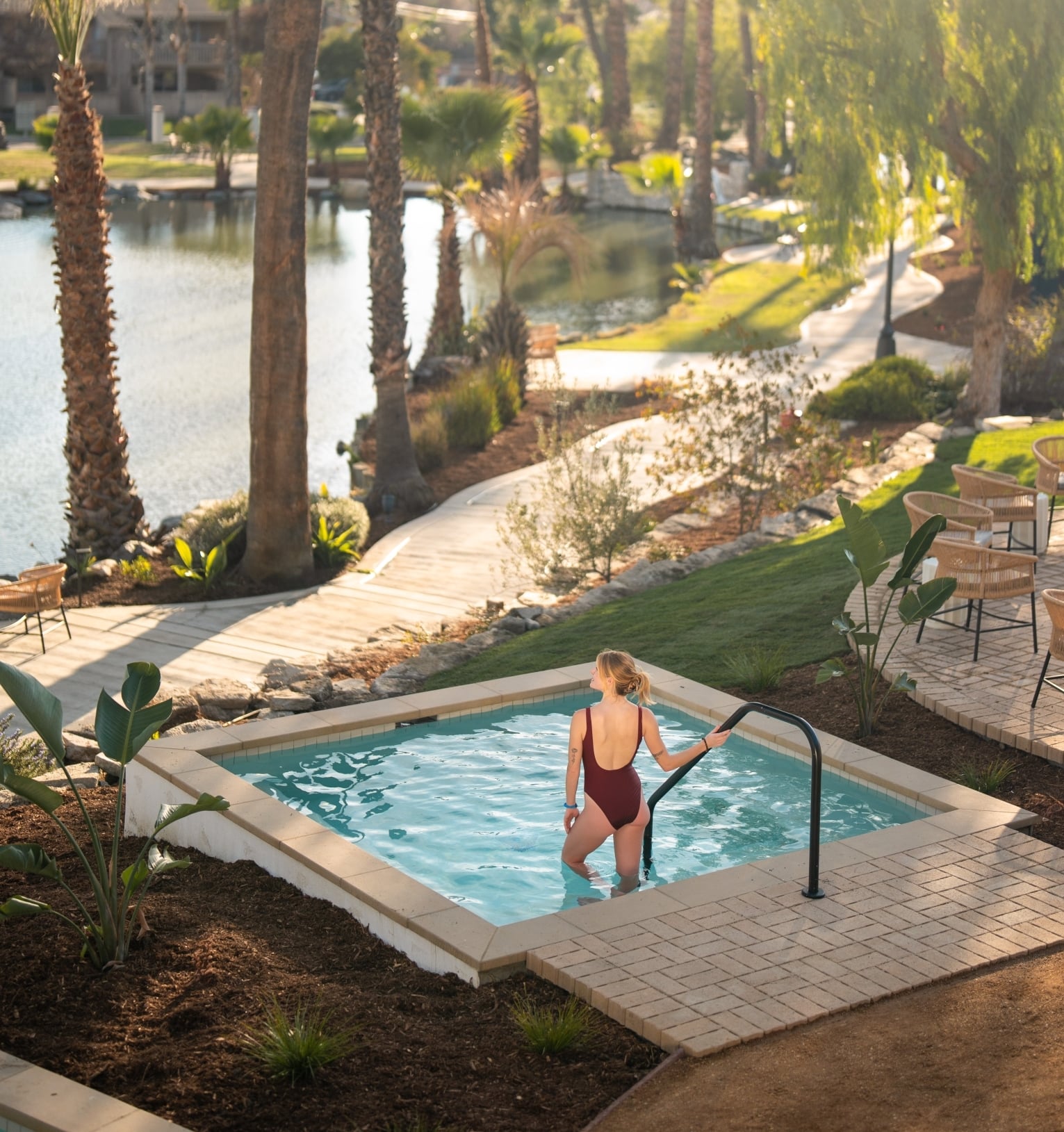
Our property features more than 50 mineral-rich geothermal pools, giving guests the freedom to choose how they soak, from quiet, restorative spaces to more social environments, depending on what they need that day. That flexibility is part of what makes the experience feel personal rather than prescriptive.
Our long history as a hot springs destination, dating back to the early 1900s, adds another layer of trust for wellness-focused travelers who value places designed specifically for health and restoration, not spa experiences added as an afterthought.
What the Experience Signals for Women Guests
Across wellness travel, success isn’t just about amenities. It shows up in how guests actually use the experience and how it fits into their lives.
Here, that often looks like:
• Choosing overnight stays with wellness and recovery as the primary purpose
• Favoring weekend and short multi-day escapes that fit into real-life schedules
• Regularly participating in hydrothermal circuits, guided rituals, and soaking experiences designed for stress relief and recovery
• Noticing better sleep, reduced stress, and an overall sense of feeling reset
• Returning with friends, or recommending the experience to others, as part of an ongoing wellness routine
Rather than feeling like a one-time splurge, the experience is designed to be something guests come back to: a place where rest feels intuitive, time slows down, and taking care of yourself doesn’t require overthinking.
If you’re looking for a wellness escape that fits into real life and leaves you feeling noticeably better when you head home you can explore overnight stays and plan your visit.
Frequently Asked Questions
What makes a wellness retreat good for solo female travelers?
A great wellness retreat for solo female travelers prioritizes safety, comfort, and flexibility. This includes having a strong reputation, offering a variety of both social and quiet spaces, and providing structured activities that are easy to join, allowing guests to feel both independent and connected.
What is the difference between a spa day and a wellness retreat?
A spa day is typically a brief, hours-long experience focused on specific treatments. A wellness retreat, especially an overnight one, is an immersive experience designed for a deeper reset.
How does soaking in hot springs support wellness?
Soaking in natural geothermal water supports wellness by leveraging the water’s mineral content and heat to relax muscles, reduce stress, and improve circulation. This passive, gentle form of therapy helps calm the nervous system and provide a foundation for deeper rest and recovery.
Sources
- More, A. B., Chandola, V., & Bhat, S. (2025). Women’s Wellness Retreat Market Research Report 2033. MarketIntelo.
- Atlys. (2025). Solo female travel statistics: Why women want to travel solo.
- Chen, K.-H., Huang, L., & Ye, Y. (2023). Research on the relationship between wellness tourism experiencescape and revisit intention: A chain mediation model. International Journal of Contemporary Hospitality Management, 35(3). Emerald Publishing Ltd.
- Harness Magazine. (2025). A wellness stay that prioritizes mental health: Murrieta Hot Springs Resort.
- Global Wellness Institute. (n.d.). Wellness tourism initiative trends.
- McKinsey & Company. (2025). The future of wellness trends survey 2025.
Other Related Articles
-
Cortisol, Calm and Cognition
Mar 6, 2026
How stress hormones shape the aging brain and what you can do to protect your mental vitality.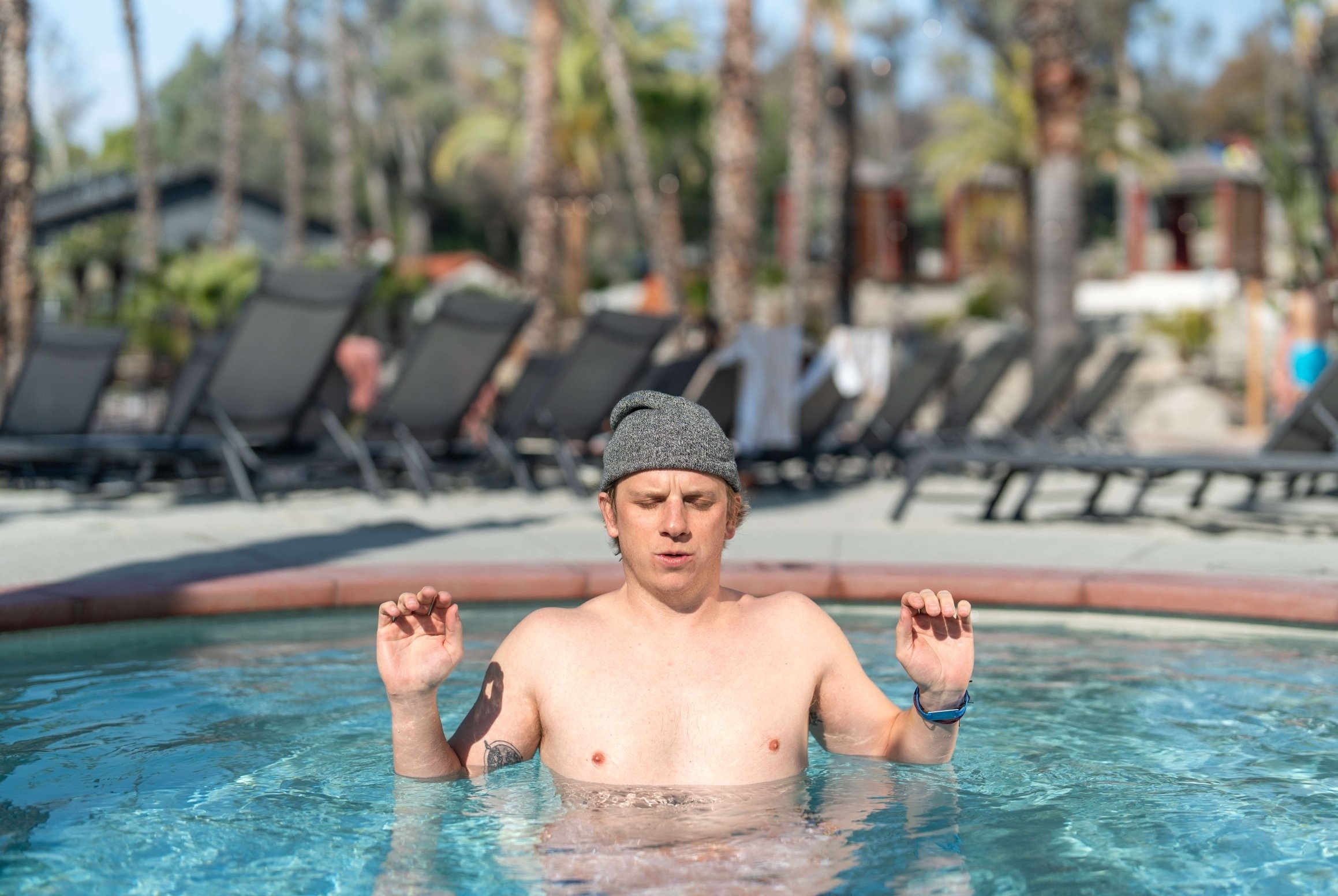
-
Why Cardio Health Is the True Fountain of Youth
Mar 6, 2026
Longevity begins with the heartbeat beneath every breath you take.
-
Top Wellness Retreats in California: 2026 Rankings
Mar 4, 2026
Top Wellness Retreats in California: 2026 Rankings